Antriebsstrang
Ein konventionelles Hybridauto bei 30.000 km/Jahr
Lange Pendelstrecken, Verkaufsgebiete, häufige Autobahnfahrten. Das bewirkt ein konventionelles Hybridfahrzeug.
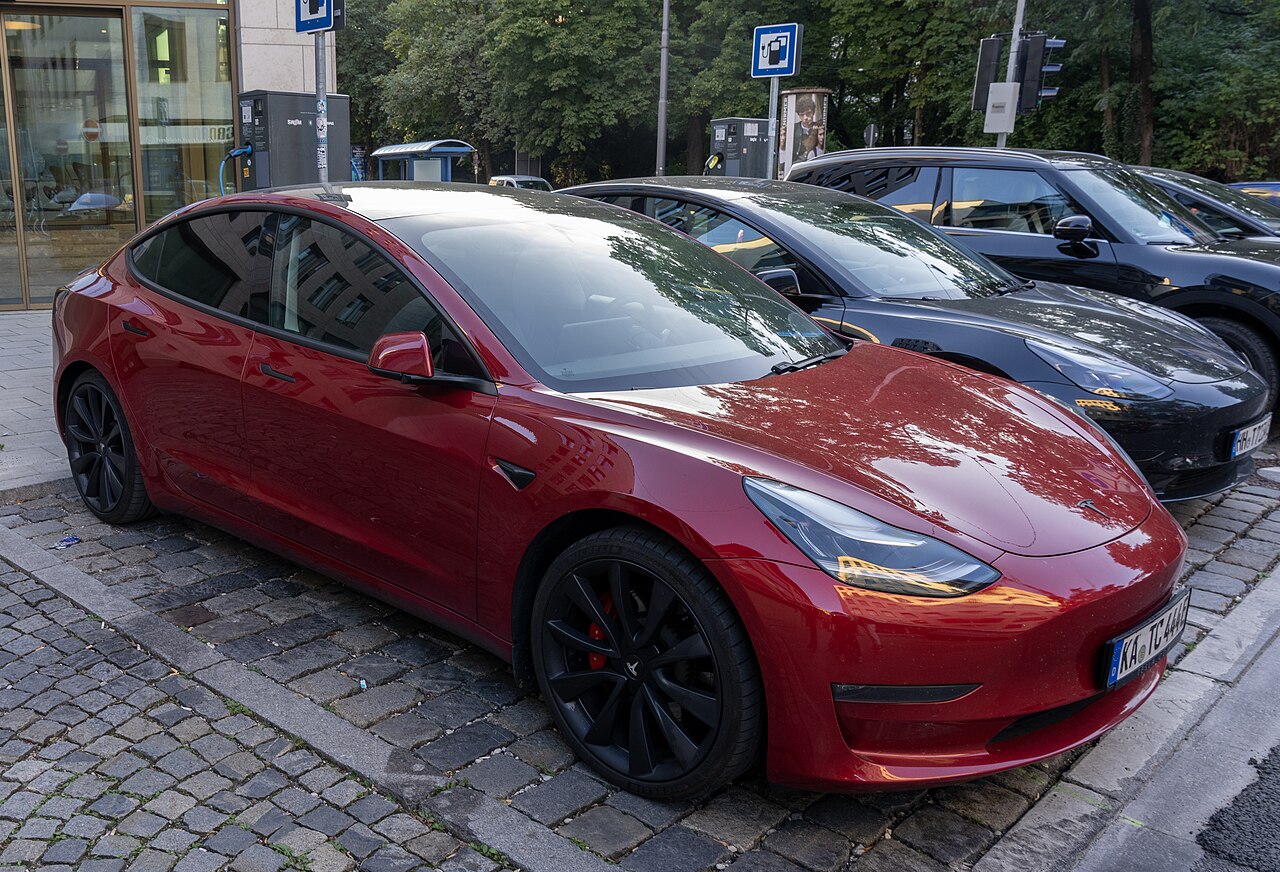

Die Form bei 30.000 km für HEV
Energie holt die Abschreibung ein und die Wartung beginnt, wichtig zu werden. Strukturen mit einer Kilometerbegrenzung beginnen zu bestrafen: Überkilometergebühren bei einem Leasing oder PCP sind so kalkuliert, dass sie abschrecken, und der garantierte Wert eines hochkilometrierten Fahrzeugs wird pessimistisch festgelegt. Besitz — bar oder Darlehen — beginnt, bei den Gesamtkosten zu gewinnen. [1]
Welcher Zahlungsweg passt zu HEV bei 30.000 km
Die HEV-Spezifika bei dieser Distanz
Am besten im Stop-and-Go-Stadtverkehr, wo die Rekuperation die meiste Arbeit leistet; der Vorteil verringert sich bei konstantem Autobahnfahren. Ein Kraftstoff, ein Preis.
Die kostengünstige Wahl für einen Fahrer ohne Heimladung oder mit viel Stadtverkehr. Selten die günstigste Option insgesamt, selten die teuerste.
_interior.jpg)
Compare
- Batterieelektrisch bei 30.000 km
- Plug-in-Hybrid bei 30.000 km
- Benzin bei 30.000 km
- Diesel bei 30.000 km
- Konventioneller Hybrid bei 10.000 km
- Konventioneller Hybrid bei 20.000 km
- Konventioneller Hybrid bei 60.000 km
Ist ein konventionelles Hybridfahrzeug bei 30.000 km pro Jahr rentabel?
Sollte ich ein konventionelles Hybridfahrzeug bei 30.000 km pro Jahr leasen?
References
Every citation below links to the original peer-reviewed record on PubMed or via DOI. Nothing here is a substitute for medical advice.
-
How to Improve the Total Cost of Ownership of Electric Vehicles: An Analysis of the Light Commercial Vehicle Segment Lebeau P, Macharis C, Van Mierlo J · World Electric Vehicle Journal · 2019 · Journal article DOI
-
Total cost of ownership of electric and gasoline used vehicles Woody M, Yin S, Green A, et al. · Environmental Research Letters · 2026 · Journal article DOI
-
Ownership Levies and Electric Vehicle Adoption: A Total Cost of Ownership and Legal Analysis of Ukraine’s Fiscal Reversal Vovk Y, Vovk I, Martsenko N, et al. · World Electric Vehicle Journal · 2026 · Journal article DOI
-
Route-Specific Total Cost of Ownership for Electric Trucks: A Danish Distribution Case Study Iversen L, Rehmeier C · World Electric Vehicle Journal · 2026 · Journal article DOI
-
Dynamic User Equilibrium for Electric Vehicle Departure Time and Path–Charging Choices with Wireless and Fast Charging Services Zhang X, Ren H · World Electric Vehicle Journal · 2026 · Journal article DOI
-
Machine Learning for Plug-in-Time Classification of Charging Faults and Abnormal Termination Events in Public Electric-Vehicle Charging Sessions Thango B, Duan C · World Electric Vehicle Journal · 2026 · Journal article DOI
-
Total Cot of Ownership of Electric Car and Internal Combustion Engine Car With Performance Normalization Santoso A, Priyono B · International Journal of Environmental, Sustainability and Social Science · 2026 · Journal article DOI
-
Optimizing Charging Control for Fast and Efficient Electric Vehicle Charging Han L, Liu H, Zhang Y, et al. · Journal of Autonomous Vehicles and Systems · 2025 · Journal article DOI
-
Research on Battery Electric Vehicles’ DC Fast Charging Noise Emissions: Proposals to Reduce Environmental Noise Caused by Fast Charging Stations Clar-Garcia D, Campello-Vicente H, Fabra-Rodriguez M, et al. · World Electric Vehicle Journal · 2025 · Journal article DOI
-
An Optimal Multi-Zone Fast-Charging System Architecture for MW-Scale EV Charging Sites Althurthi S, Rajashekara K · World Electric Vehicle Journal · 2025 · Journal article DOI